Alcohol and the Brain: What the Evidence Now Says About "Safe" Drinking
For years the reassuring story was that a moderate drink or two might actually be good for you — including your brain. That story is now falling apart.
Insights, guides and perspectives on brain health, longevity and technology.

For years the reassuring story was that a moderate drink or two might actually be good for you — including your brain. That story is now falling apart.

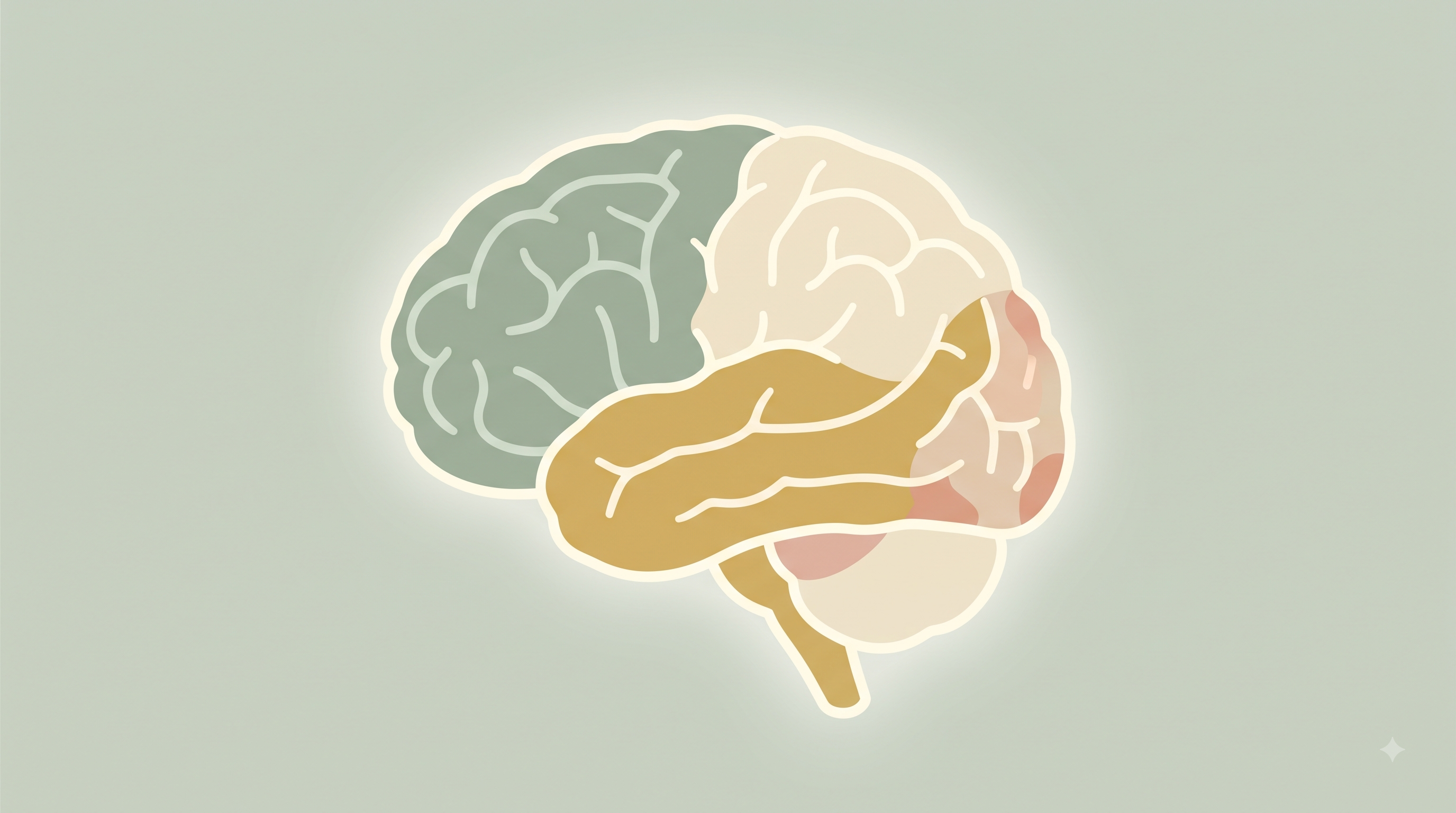
Brain health isn't something you start worrying about in old age — it's built, quietly, across an entire lifetime, and the evidence increasingly shows that what you do in your 20s, 40s, and 60s all leaves a mark on the brain you'll have at 80.

Dementia isn't a single disease — it's an umbrella term for a group of conditions that damage the brain and impair memory, thinking, and daily function.

Type 2 diabetes is one of the strongest modifiable risk factors for dementia — associated with roughly double the risk — and the connection runs deep enough that some researchers now call Alzheimer's "type 3 diabetes."

Brain training apps reliably make you better at brain training apps — and that's most of what the evidence supports. Practice a task and you improve at that task; this is called near transfer and it's well documented.

Mild cognitive impairment (MCI) is a measurable decline in memory or thinking that's greater than expected for someone's age but not severe enough to interfere significantly with daily life.

Menopause brain fog is real, measurable, and — for most women — temporary. Up to two-thirds of women report problems with memory, concentration, and word-finding during the menopause transition, and these changes can be detected on cognitive testing rather than existing only in self-report.

Loneliness is a brain-health risk factor, not just an emotional state. The largest analysis to date pooling more than 600,000 people across 21 long-term studies found that feeling lonely raises the risk of dementia by about 31%.

Hearing loss is the single largest modifiable risk factor for dementia — and one of the most overlooked. Research links it to roughly 8% of dementia cases worldwide, more than any other single factor we can do something about.

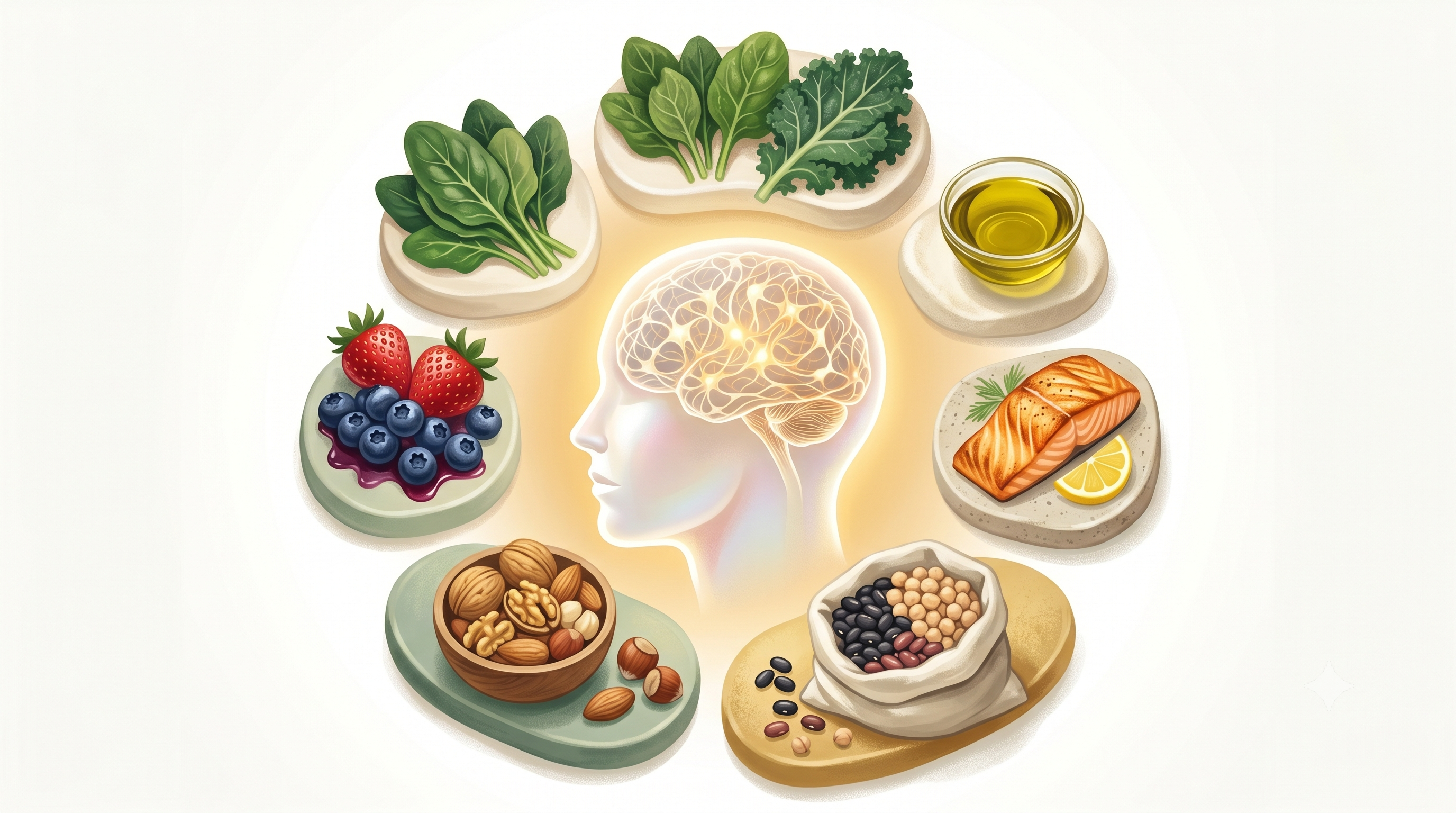
The MIND diet is genuinely good for you — but the evidence that it specifically protects your brain is more complicated than the headlines suggest.

The symbolism is deliberate and quietly powerful: on the brightest day of the year, families honor the long, difficult days that people living with Alzheimer's and their caregivers know so well, and answer them with light, community, and hope. It's less a campaign than a global act of solidarity.

In May 2025 the FDA cleared a plasma test that measures a ratio of brain proteins to help detect Alzheimer's-related changes in people already experiencing cognitive symptoms.

Poor sleep is linked to a higher risk of dementia, but "linked to" is doing important work in that sentence — the evidence is strong on association and genuinely unsettled on cause.

Cognitive reserve is the brain's ability to keep working well despite age, damage, or disease — the reason two people with nearly identical brain pathology can have very different symptoms, one showing clear decline and the other none at all. It isn't a fixed gift you're born with.

Alzheimer's cannot be reliably prevented, and a large share of dementia risk is nonetheless modifiable — both of those things are true, and holding them together is the honest starting point.

Some memory change is a normal part of growing older, and some is not. Occasionally blanking on a name, walking into a room and forgetting why, or needing a beat longer to recall a word are ordinary features of a healthy aging brain.

In research settings, yes — AI can already flag signs of future dementia years before symptoms appear, by spotting patterns in brain scans, retinal images, and even speech that humans can't reliably see.

Exercise is good for the aging brain — but the popular claim that it "prevents dementia" runs ahead of what the evidence actually proves.